Campervan Etiquette in New Zealand
Travelling around New Zealand by campervan is one of the best ways to experience the South Island’s dramatic landscapes. From glacial lakes to rugged coastlines and alpine passes, having your own vehicle gives you flexibility and freedom. But with this freedom comes responsibility. Campervan etiquette ensures that everyone including locals, other travellers, and the environment, can enjoy New Zealand safely and sustainably. This guide covers practical behaviours, legal requirements, and best practices to help you travel considerately.
Why Campervan Etiquette Matters
The South Island is renowned for its pristine natural beauty, quiet towns, and small communities. Unlike large cities, many areas rely on responsible tourism to maintain their charm and infrastructure. Observing good campervan etiquette means:
-
Protecting New Zealand’s environment
-
Maintaining good relationships with locals and fellow travellers
-
Ensuring future visitors can enjoy freedom camping and holiday parks
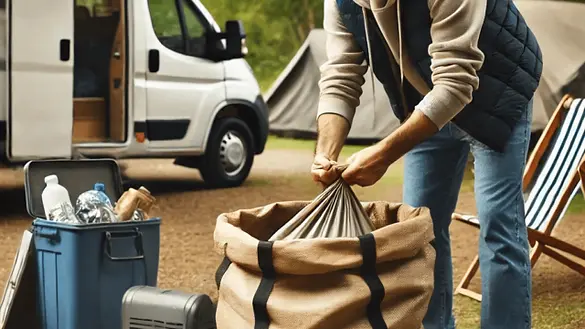
Freedom Camping: Do’s and Don’ts
One of the unique attractions of travelling by campervan in New Zealand is freedom camping — staying overnight in non-commercial locations, usually provided by the Department of Conservation (DOC) or local councils. But it comes with rules. Key princples of Freedom Camping are:
Do:
-
Use designated freedom camping sites where available
-
Bring all waste with you — there are strict rules on rubbish, grey water, and chemical toilets
-
Respect the environment — avoid driving on grass, trampling vegetation, or disturbing wildlife
-
Keep noise to a minimum, especially at night
Don’t:
-
Camp in urban streets, private property, or prohibited areas
-
Leave rubbish behind
-
Make excessive noise or light fires in unauthorized areas
Check local regulations on freedom camping before stopping. Popular South Island spots like Lake Tekapo, Arthur’s Pass, or the West Coast beaches often have defined zones and restrictions.
Holiday Parks and Campsites
While freedom camping is appealing, holiday parks provide a safer and more structured environment. Being considerate in these spaces ensures everyone has a good experience.
Tips for staying in holiday parks:
-
Respect check-in/check-out times
-
Keep your site tidy and dispose of grey/black water at designated dump stations
-
Limit generator use and noise
-
Give space to neighbouring vans and tents — avoid encroaching
Many parks are full during peak season, so booking ahead is advisable. Even when staying in quieter sites, the same principles of respect and tidiness apply.
Sharing the Road
Driving a campervan comes with responsibility beyond the vehicle itself. On South Island roads, especially the narrow or winding stretches, courteous driving is part of good campervan etiquette.
Key road behaviours:
-
Yield to other vehicles on narrow roads and one-lane bridges
-
Don’t stop in unsafe areas just for photos — use designated pull-offs
-
Keep speeds moderate on scenic routes; enjoy the journey without rushing
-
Be patient with cyclists, hikers, and wildlife on rural roads
Following these simple rules ensures the roads stay safe and enjoyable for everyone.
Respecting Local Communities
Many South Island towns and small settlements see an influx of campervan tourists, especially in summer. Being polite and considerate helps maintain a positive reputation for travellers.
Practical tips:
-
Use local services and shops to support communities
-
Avoid parking overnight in town centres unless designated
-
Keep noise low, especially early morning and late evening
-
Follow signs and instructions from local authorities
Friendly interactions with locals often lead to helpful advice about hidden gems, safe camping spots, or scenic detours ,a key benefit of respectful travel.
Environmental Responsibility
New Zealand’s environment is fragile, and South Island landscapes are particularly sensitive. Following environmental etiquette is crucial for protecting rivers, beaches, mountains, and native wildlife.
Do:
-
Stick to marked tracks and roads
-
Take all rubbish with you
-
Use biodegradable products where possible
-
Avoid feeding wildlife — it disrupts natural behaviour
Don’t:
-
Cut vegetation or remove rocks, shells, or plants
-
Leave human waste outside of designated toilets or dump stations
-
Disturb native birds or seal colonies, especially in national parks
Travelling by campervan in New Zealand is a uniquely liberating experience. Observing good etiquette — in driving, camping, and interacting with communities, ensures your adventure is safe, respectful, and enjoyable. With a little care, you can enjoy the South Island’s mountains, fjords, lakes, and coastlines while helping protect this incredible destination for those who follow.
Enjoying our free content?
If our website has helped with your South Island campervan trip planning, you can support it by buying us a coffee. Every contribution helps keep the site running, up to date and free. 🙌
